Setting up a commercial kitchen in Kenya is one of the most capital-intensive and operationally demanding undertakings in the hospitality sector. Whether you are launching a flagship restaurant in Westlands, Nairobi, equipping a safari lodge kitchen in the Maasai Mara, fitting out a high-capacity school dining hall in Eldoret, or designing a cloud kitchen along the Thika Superhighway, your kitchen’s design dictates your speed of service, food safety compliance, labor overhead, and long-term profitability.
A successful commercial kitchen setup is not merely a collection of high-end appliances placed against tiled walls. It is an engineered production line where raw ingredients enter at one end, move through hygienic storage and prep stations without cross-contamination, transition seamlessly into the hot cooking line, pass through plating and quality control, and exit to dining guests—all while soiled dishware moves along an isolated return path to the wash-up area.
In this comprehensive 2026 blueprint, Gacch Hospitality Equipment outlines the exact step-by-step engineering, spatial zoning, regulatory compliance, utility provisioning, and equipment procurement strategies required to build high-performance commercial kitchens across Kenya.
11. Kitchen Zoning & Spatial Planning: The 6 Core Workstations
The foundation of any profitable commercial kitchen is workflow efficiency. An ergonomic layout prevents bottlenecking during lunch and dinner rushes, minimizes kitchen staff collisions, and ensures strict adherence to Hazard Analysis Critical Control Point (HACCP) standards.
Every commercial kitchen must be divided into six distinct, non-overlapping zones:
1.1 Receiving & Inspection Station
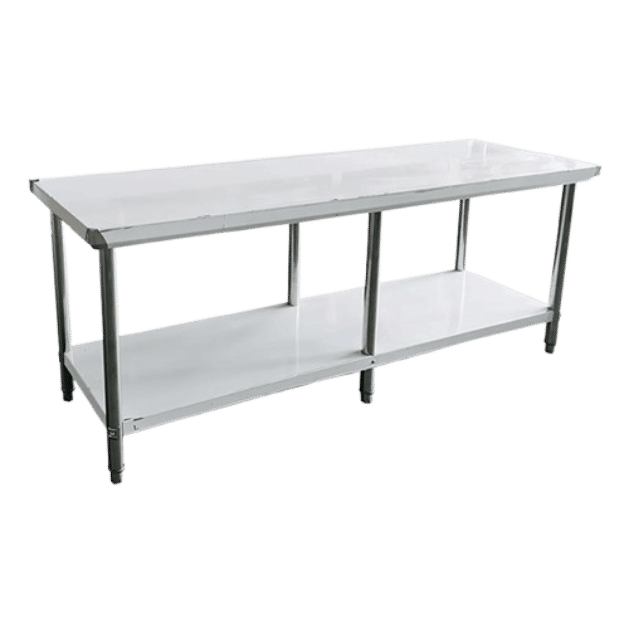
Located adjacent to the delivery entrance or service alley. This area must feature a heavy-duty stainless steel receiving table with a digital platform scale (150kg to 300kg capacity) to verify bulk deliveries from suppliers before goods enter inventory.
1.2 Storage Zone (Cold & Dry)
Split into three isolated compartments:
- Walk-in Cold Rooms & Upright Chillers (+1°C to +4°C): For fresh meats, dairy, produce, and sauces.
- Walk-in Freezers (-18°C to -22°C): For long-term proteins, frozen poultry, seafood, and doughs.
- Dry Goods Store: Well-ventilated, pest-proof room fitted with 304-grade stainless steel wire shelving or solid tiered racks raised at least 150mm off the finished floor for easy cleaning.
1.3 Food Preparation Stations (Raw to Ready-to-Eat)
Cross-contamination is the primary cause of food poisoning outbreaks. You must physically separate:
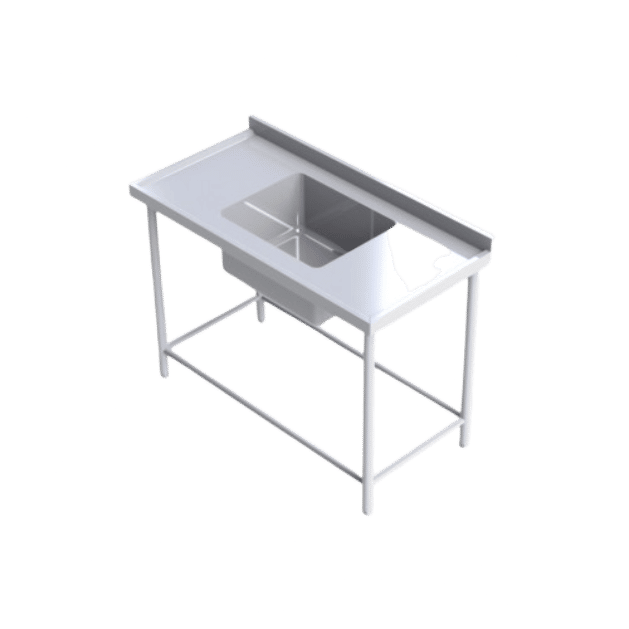
- Meat & Poultry Prep: Dedicated stainless steel prep tables with integrated double sinks, poly-top cutting boards (red/yellow), and meat mincers/slicers.
- Vegetable & Fruit Prep: Tables with prep sinks (green boards) and planetary vegetable cutters.
- Bakery & Pastry Station: Temperature-controlled station with marble or heavy stainless worktops, spiral mixers, and dough sheeters.
1.4 The Main Cooking Line (Hot Kitchen)
The operational heart of the kitchen. Cooking equipment is arranged in an unbroken battery under an overhead extraction hood canopy:
- Heavy-duty 4-burner or 6-burner open gas ranges
- Double-basket commercial deep fryers (gas or electric)
- Flat-top griddles / griddles with grooved charbroilers
- Convection ovens or combi-steam ovens
- Salamander broilers and stockpot burners
1.5 Service Pass & Plating Area
The boundary between back-of-house (BOH) and front-of-house (FOH). Features:
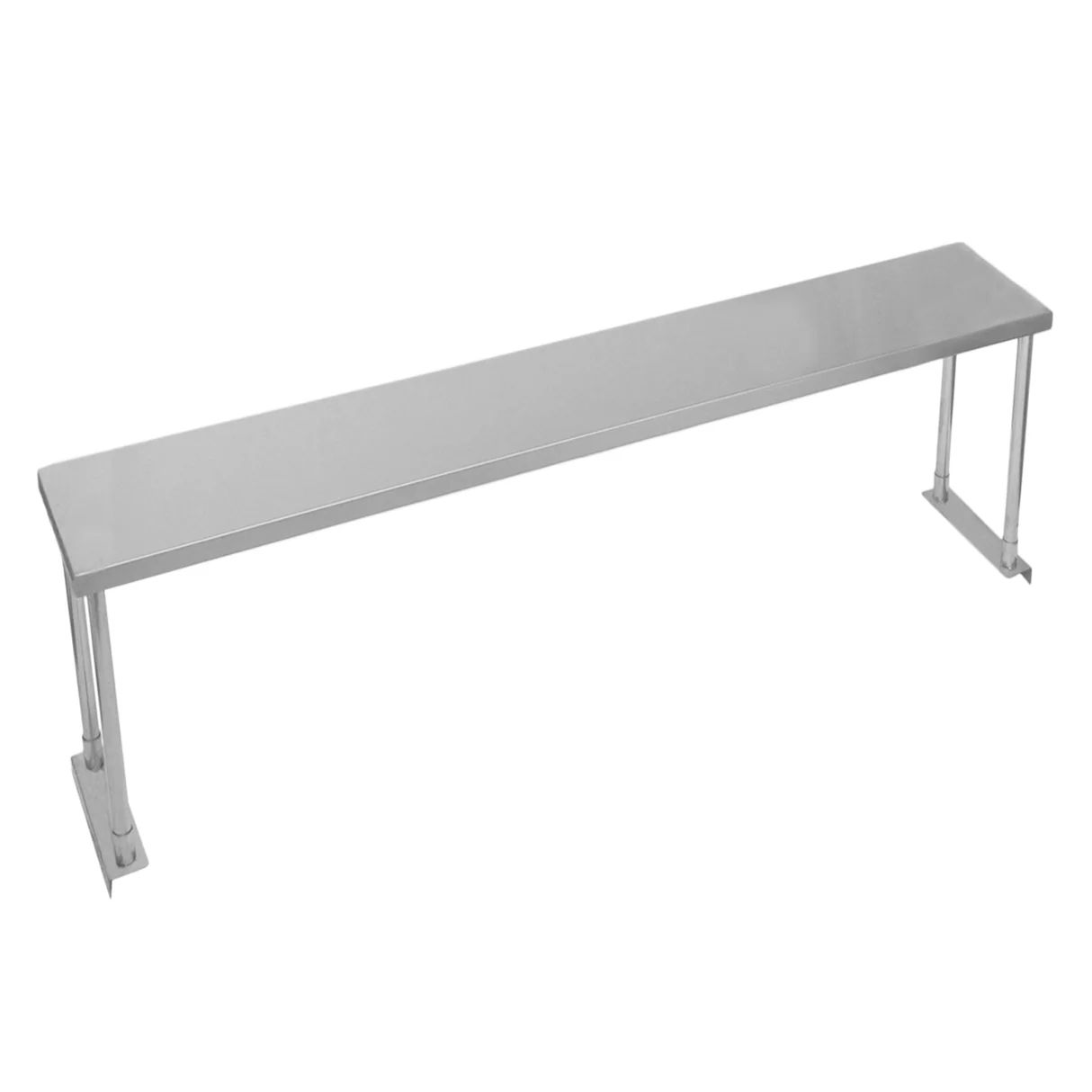
- Stainless steel pass-through tables with heated overhead gantries (quartz infrared lamps)
- Under-counter heated holding cabinets / plate warmers
- Ticket printing stations or kitchen display system (KDS) monitors
- Direct access for service staff without entering the hot cooking zone
1.6 Wash-Up & Warewashing Area
Located away from the cooking line to prevent steam, moisture, and dirty dish bacteria from contaminating food. It includes:
- Soiled dish landing tables with scrap chutes and pre-rinse spray units
- Commercial hood-type or pass-through dishwashers (60 to 90-second cycle)
- Heavy-duty double-bowl pot washing sinks (deep 400mm bowls)
- Clean dish exit tables and stainless wire drying racks
- Wall-mounted grease traps directly under sink discharge lines
22. Choosing the Right Layout Configuration
The architectural shape of your space dictates your layout. The four primary configurations used in Kenyan commercial kitchens include:
33. Kenyan Utility & Engineering Requirements
A frequent and costly mistake in commercial kitchen installation across Kenya is designing the equipment layout before confirming electrical power, water supply, gas infrastructure, and structural exhaust routing.
3.1 Electrical Power & KPLC Three-Phase Grid Realities
Heavy commercial cooking appliances (combination ovens, 18kW electric fryers, hood-type dishwashers, and cold room condensing units) demand 415V Three-Phase Power.
- Power Audit: Calculate total connected load (kVA). If your establishment runs on standard 240V single-phase, you must apply to Kenya Power (KPLC) for a three-phase meter upgrade or install dedicated commercial sub-distribution boards with Type C circuit breakers.
- Generator Backup: With occasional national grid fluctuations and scheduled outages, sized diesel backup generators (e.g., Perkins, Cummins, or Lovol units with Automatic Transfer Switches - ATS) are mandatory to protect refrigerated inventory in cold rooms.
3.2 LPG Gas Manifolds & Energy Economics
Because commercial electricity in Kenya carries peak tariffs exceeding KES 24–28 per kWh, high-heat equipment (ranges, stockpot burners, charbroilers, deep fryers) is vastly more cost-effective when operated on Liquefied Petroleum Gas (LPG).
- External Cylinder Banks: Bulk 50kg industrial cylinders (e.g., 4x50kg or 6x50kg manifolds with automatic changeover regulators) must be installed outdoors in a locked, well-ventilated wire cage.
- Gas Piping: Schedule 40 seamless black steel or heavy copper pipework with high-pressure emergency shut-off valves inside the kitchen and audible gas leak detectors.
3.3 Water Quality, Borehole Filtration & Water Pressure
Municipal water in Kenyan urban centers (Nairobi City Water & Sewerage Company, Kisumu Water, Mombasa Water) often suffers from intermittent supply, while commercial boreholes frequently contain high Total Dissolved Solids (TDS), calcium carbonates, and saline levels.
- Storage: Install dedicated elevated overhead or ground-level water storage tanks (minimum 5,000L to 10,000L capacity) fitted with automated booster pressure pumps (maintaining 2.5 to 4.0 bar).
- Water Softening: Combi-steam ovens, espresso machines, and commercial dishwashers must have dual-stage sediment filtration and ion-exchange resin water softeners. Unfiltered borehole water will scale heating elements and destroy boiler tanks within 6 to 9 months, voiding manufacturer warranties.
3.4 Drainage, Grease Traps & Floor Falls
Grease and cooking oils solidify inside municipal sewer pipes, causing severe blockages and hefty county fines.
- Floor Channels: Heavy-gauge AISI 304 stainless steel floor drains with removable basket strainers running along the front of cooking and wash lines.
- Floor Slope: Concrete screeds must have a continuous 1:50 (2%) fall toward the drainage channels to eliminate pooling water.
- Under-Sink & In-Ground Grease Interceptors: Stainless steel grease traps (minimum 50–100 liter grease retention capacity) must intercept all dishwashing and pot-wash waste lines before discharging into the sewer.
Featured Commercial Machinery & Fabrication
Explore turnkey kitchen appliances engineered and installed by Gacch Hospitality across Kenya.
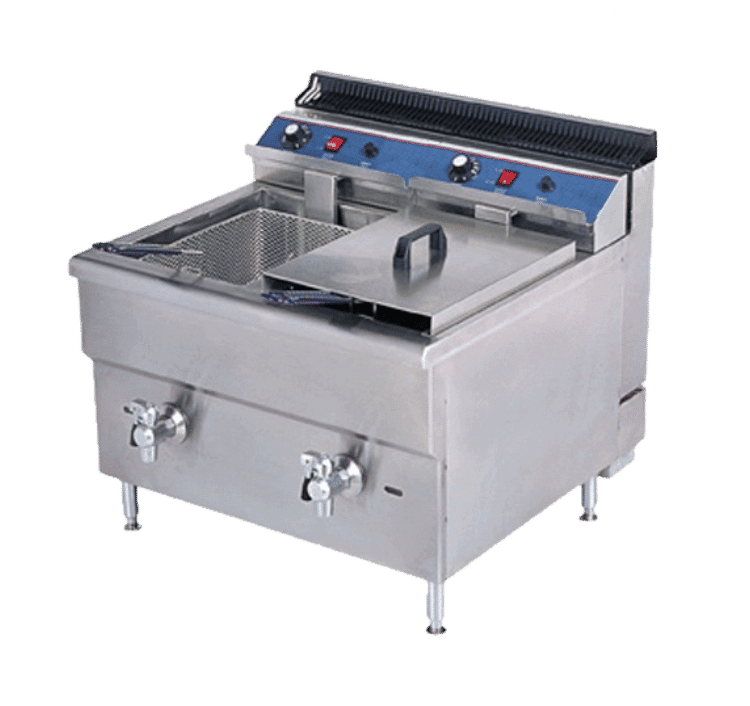
Stainless Steel Table Top Gas Fryer Double Well
- Strong stainless steel frying basket.
- Easy to clean.
- Has safety protect system.
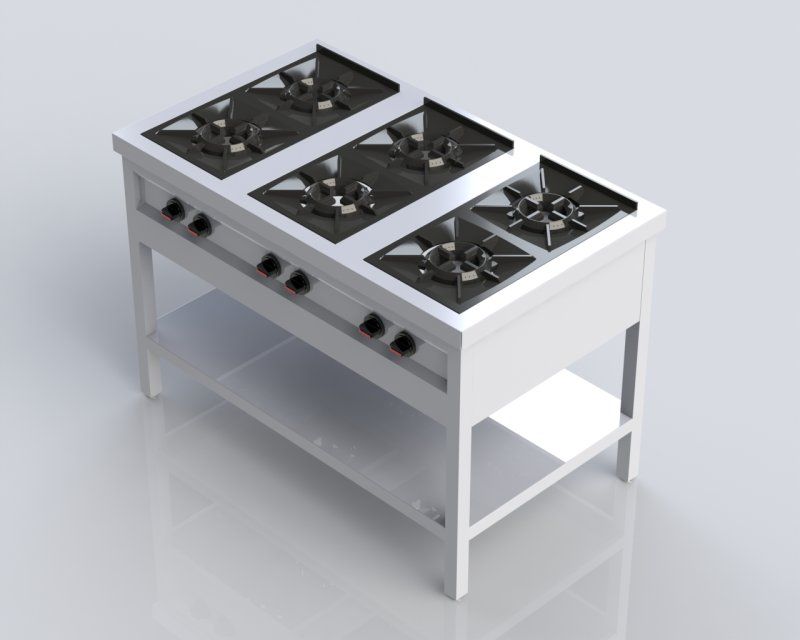
Stainless Steel Six Burner Low Pressure Cooker
- Certified AISI 304 Food-Grade Stainless Steel
- Manufactured & Tested for Heavy Commercial Use
- Direct Factory Supply, Delivery & Installation in Kenya
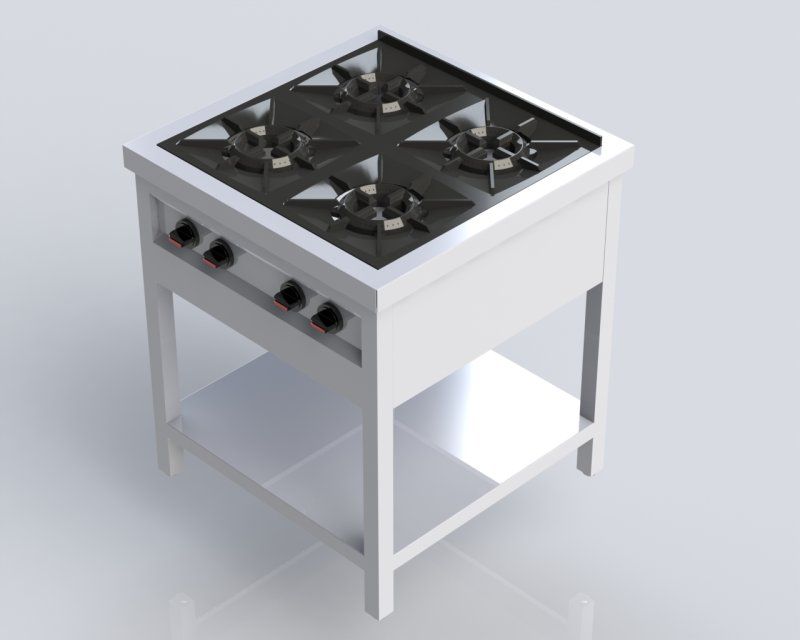
Stainless Steel Four Burner Low Pressure Cooker
- Certified AISI 304 Food-Grade Stainless Steel
- Manufactured & Tested for Heavy Commercial Use
- Direct Factory Supply, Delivery & Installation in Kenya
44. Ventilation, Hoods & Fire Safety Engineering
An undersized ventilation system turns a commercial kitchen into an unbearable, smoke-filled furnace that drives staff turnover, contaminates food with airborne grease particles, and creates severe fire hazards.
Ventilation Sizing Formula
Commercial kitchen exhaust systems in Kenya must provide a minimum capture velocity of 0.5 m/s (100 FPM) across the face of the canopy hood. For heavy cooking batteries (fryers, wok ranges, charbroilers), an extraction rate of 300–400 CFM per linear foot of hood is standard.
Hood Construction Standards:
- AISI 304 Stainless Steel: Rust-resistant, non-combustible canopy fabrication (minimum 1.2mm / 18-gauge sheet metal) with continuous liquid-tight TIG welds.
- Stainless Steel Baffle Filters: Interlocking, removable baffle filters set at a 45° angle to force grease condensation into an integrated collection trough with drain plugs. Mesh filters are prohibited in commercial kitchens due to fire risk.
- Centrifugal Backward-Curved Blowers: High-static pressure motors (mounted on the roof or external exterior wall) with vibration isolators to minimize kitchen noise.
- Make-Up Fresh Air (Evaporative Cooling): When extracting 5,000+ CFM of hot air, 80–85% of that volume must be reintroduced as filtered, tempered fresh air to prevent vacuum conditions that pull soot back down chimney stacks or slam service doors shut.
- Fire Suppression: Wet chemical automatic fire suppression systems (e.g., Ansul R-102 or approved equivalents) with discharge nozzles targeted directly at fryers and ranges, linked to an automatic gas shut-off solenoid valve.
55. Kenyan Regulatory, Health & Licensing Compliance
Before serving your first customer in Kenya, your kitchen must obtain clear approvals from national and county regulatory bodies:
- County Government Single Business Permit (SBP): Issued by your local county government (Nairobi City County, Kiambu, Mombasa, Nakuru, etc.) based on your commercial floor area and hospitality classification.
- Food Hygiene License (Form 39 Inspection): Issued by the County Public Health Department following an in-person physical inspection of your kitchen layout, food storage temperatures, stainless steel surfaces, potable water supply, and grease disposal systems.
- Food Handler Medical Examination Certificates: Every single kitchen employee must undergo biannual medical testing (Form 38) for communicable diseases, typhoid, and tuberculosis at a registered county medical center.
- NEMA (National Environment Management Authority): For mid-to-large establishments, an Environmental Impact Assessment (EIA) or Environmental Audit (EA) is required to verify waste management, oil disposal, noise pollution, and exhaust emissions.
- County Fire Safety Certificate: Mandatory annual inspection verifying fire extinguishers (CO2, Foam, and Wet Chemical Class K for grease fires), fire blankets, emergency exits, and functional extraction duct cleaning records.
- KEBS Standards (KS 05-452 / Food Hygiene): All commercial food preparation surfaces must utilize food-grade AISI 304 stainless steel. Porous materials like raw timber or standard galvanized iron are illegal in commercial food preparation zones.
66. Budgeting & Equipment Sourcing: Local Fabrication vs Imports
A common dilemma for Kenyan hospitality investors is choosing between imported off-the-shelf equipment and bespoke locally fabricated stainless steel units.
For an in-depth financial model with line-item estimates across small, medium, and large restaurants, read our full breakdown on commercial kitchen equipment costs in Kenya.
The Winning Hybrid Sourcing Strategy:
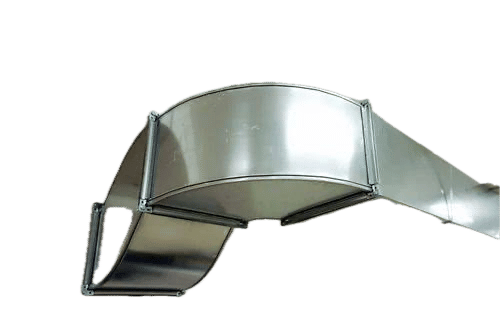
- Custom Local Stainless Steel Fabrication (Gacch Hospitality): Worktops, sink units, extraction canopies, wall shelves, pass-through tables, mobile trolleys, and bain-maries. Custom fabrication guarantees exact millimeter fit into your architectural dimensions, uses thick 16-gauge AISI 304 steel, and eliminates the 35% import duty and container shipping costs associated with imported flat-pack units.
- Specialized Mechanical Equipment: Combination ovens, planetary mixers, high-pressure espresso machines, blast chillers, and commercial dishwashers sourced from reputable international manufacturers with local spare parts backing and authorized Kenyan service warranties.
77. Step-by-Step Commercial Kitchen Setup Timeline
88. Explore the Complete Commercial Kitchen Knowledge Hub
To ensure every detail of your kitchen is engineered for peak ROI, dive deeper into our specialized guides:
- Equipment Auditing: Download The Ultimate Restaurant Kitchen Equipment Checklist to verify every piece of gear before opening.
- Cost Planning: Review realistic 2026 pricing in our comprehensive guide to commercial kitchen equipment costs in Kenya.
- Design Pitfalls: Prevent catastrophic layout blunders by reviewing 10 Costly Mistakes to Avoid When Designing a Commercial Kitchen.
- Procurement Strategy: Learn how to evaluate suppliers and calculate total cost of ownership in How to Choose the Right Commercial Kitchen Equipment: A Buyer's Framework for 2026.
9Frequently Asked Questions (FAQ)
How much space do I need for a commercial kitchen in Kenya?
As a general rule of thumb, commercial kitchens require approximately 30% to 40% of the total restaurant floor area, with the remaining 60% to 70% dedicated to the front-of-house dining room. A 60-seat restaurant typically requires a kitchen footprint of 45 to 65 square meters (500 to 700 sq. ft.) to accommodate cold storage, prep, cooking lines, and dishwashing comfortably.
What grade of stainless steel is mandatory for commercial kitchens in Kenya?
Under KEBS standards and global food safety hygiene protocols, all food contact surfaces (prep tables, cutting stations, sinks, bain-maries) must be fabricated from AISI 304 Grade Stainless Steel (18/8 chromium-nickel alloy). Non-food contact elements can utilize Grade 430 or 201, but 304 is the gold standard for resisting corrosion from acidic foods and heavy sanitizers.
Can I run a commercial kitchen on single-phase power?
Small cafés or coffee shops with limited cooking appliances can operate on 240V single-phase power. However, standard commercial kitchens with heavy-duty electric deep fryers, combi-steam ovens, walk-in cold room compressors, and hood-type dishwashers require a 415V Three-Phase Power supply from Kenya Power (KPLC) to prevent frequent breaker trips, voltage drops, and equipment motor burnout.
How often should commercial kitchen extraction hoods be cleaned in Kenya?
Baffle grease filters should be removed and degreased daily or weekly depending on cooking volume. The interior canopy hood, grease gutters, and extraction ducting must undergo professional deep degreasing every 3 to 6 months to comply with County Fire Safety bylaws and prevent catastrophic grease duct fires.
10Ready to Design Your Turnkey Commercial Kitchen?
At Gacch Hospitality Equipment, we don't just sell equipment—we engineer high-performance, profitable culinary operations. From 2D spatial layouts and custom 304 stainless steel fabrication to nationwide installation in Nairobi, Mombasa, Kisumu, Nakuru, Eldoret, and beyond, our engineers ensure your project launches on time, on budget, and fully compliant.
👉 Book a Free Commercial Kitchen Consultation with Gacch Hospitality Engineers or call our technical team directly at +254 714 349555 to discuss your floor plan today.