Featured Commercial Machinery & Fabrication
Explore turnkey kitchen appliances engineered and installed by Gacch Hospitality across Kenya.
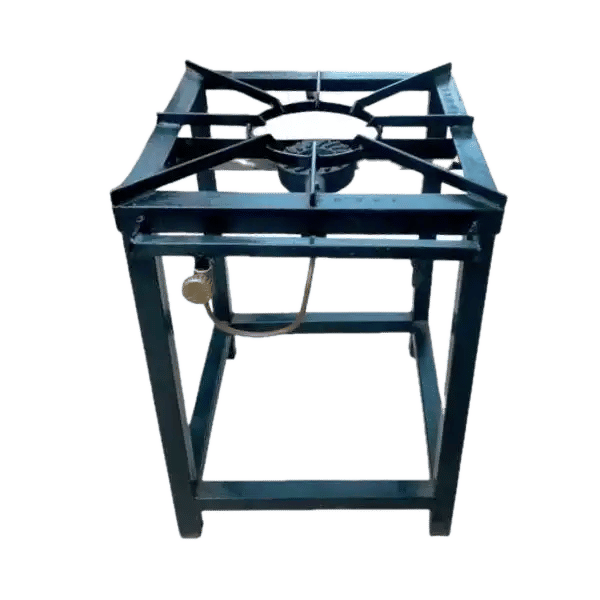
Mild Steel Single Burner High Pressure Cooker
- Certified AISI 304 Food-Grade Stainless Steel
- Manufactured & Tested for Heavy Commercial Use
- Direct Factory Supply, Delivery & Installation in Kenya
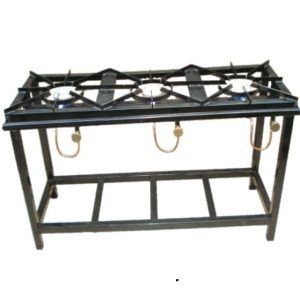
Mild Steel Three Burner High Pressure Cooker
- Certified AISI 304 Food-Grade Stainless Steel
- Manufactured & Tested for Heavy Commercial Use
- Direct Factory Supply, Delivery & Installation in Kenya
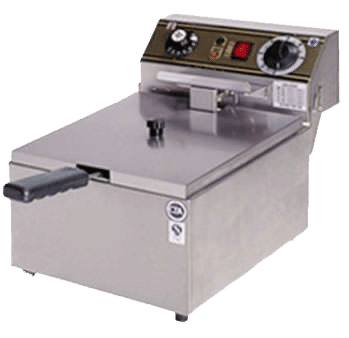
Stainless Steel Table Top Electric Fryer
- Certified AISI 304 Food-Grade Stainless Steel
- Manufactured & Tested for Heavy Commercial Use
- Direct Factory Supply, Delivery & Installation in Kenya
Procuring commercial kitchen equipment in Kenya is one of the most critical financial decisions a hospitality operator will ever make. Whether you are outfitting a high-turnover casual dining venue in Nairobi, upgrading a luxury safari resort in the Maasai Mara, or equipping an industrial corporate canteen in Mombasa, the appliances you select directly dictate your energy bills, daily kitchen speed, food consistency, and repair overhead.
With the Kenyan market flooded with countless brands, varying steel grades, and competing suppliers, choosing the right professional kitchen equipment can feel overwhelming. A catalog image or showroom floor unit rarely reveals how an appliance will perform after 14 hours of continuous high-heat cooking, hard borehole water exposure, and intense daily sanitization.
To help you make confident, data-driven procurement choices, Gacch Hospitality Equipment presents the 7-Pillar Buyer's Framework for 2026—a rigorous guide to evaluating capacity, energy efficiency, metallurgy, warranty SLAs, and Total Cost of Ownership (TCO).
1The 7-Pillar Equipment Evaluation Framework
2Pillar 1: Capacity & Throughput Planning (Covers vs. Turns)
The most common procurement error is purchasing equipment based on total guest seating rather than peak hourly throughput.
A 100-seat restaurant that turns tables twice during a two-hour dinner rush serves 200 meals—or 100 orders per hour. If your deep fryer or flat-top griddle cannot recover its operating temperature within 60 seconds of loading frozen fries or cold burger patties, ticket times double, guest satisfaction plummets, and food absorbs excess oil.
Station Throughput Sizing Rules:
- Commercial Fryers: Sized by oil capacity and BTU/kW recovery speed. A busy burger/chips station requires a minimum of two 18-liter tanks with 110,000 BTU gas heat exchangers or 18kW 3-phase elements.
- Ranges & Cooktops: Sized by pan capacity during rush hours. Standard 4-burner vs 6-burner configurations must provide at least 25,000 BTU per open burner to maintain rapid boil and sauté times.
- Combination Ovens: Sized by Gastronorm (GN 1/1 or GN 2/1) pan capacity. A 6-grid combi oven handles up to 80–120 covers per service; a 10-grid handles 150–250 covers; while large banqueting operations require 20-grid roll-in trolley units.
3Pillar 2: Energy Economics & Fuel Selection (LPG vs. Electric Grid)
Energy represents one of the largest ongoing operational expenses in Kenyan commercial kitchens. In 2026, Kenya Power (KPLC) commercial electricity tariffs range between KES 22 and KES 28 per kWh (factoring in fuel cost adjustments, forex fluctuations, and EPRA levies).
Fuel Selection Strategy:
4Pillar 3: Build Quality & Metallurgy (AISI 304 vs. Grade 201/430)
Not all stainless steel is created equal. The harsh commercial kitchen environment—characterized by salt, acidic marinades, tomato paste, high heat, and chlorine-based sanitizers—will rapidly corrode inferior metals.
What to Specify: Insist on 16-gauge (1.5mm) or 18-gauge (1.2mm) AISI 304 stainless steel for all worktops, prep tables, sinks, bain-maries, and extraction canopies. Gacch Hospitality manufactures all custom neutral equipment exclusively using certified 304 food-grade stainless steel with reinforced marine plywood sub-tops to eliminate drumming noise.
5Pillar 4: Warranty Terms, Local Spare Parts & Technician SLAs
An advanced piece of European or American catering equipment is only as good as the local technician who can fix it when a component fails on a busy Friday night.
Before signing any equipment procurement contract in Kenya, verify:
- Local Spare Parts Inventory: Does the supplier hold stock of heating elements, thermostats, contactors, digital controllers, gaskets, and drain valves in Nairobi?
- Emergency Service SLA: Can certified technicians be on-site within 24–48 hours anywhere in Kenya (including Mombasa, Kisumu, Nakuru, and Nanyuki)?
- Comprehensive Warranty: Does the contract cover both replacement kitchen parts and on-site labor for a full 12 months?
6Pillar 5: Maintenance Schedules & Downtime Cost Management
Equipment downtime carries catastrophic hidden costs: wasted perishable stock, canceled reservations, frustrated diners, and stressed kitchen staff.
The Cost of a Single Deep Fryer Breakdown:
- Lost Friday/Saturday covers: KES 150,000
- Emergency technician callout & part shipping: KES 35,000
- Spoiled oil and prepped proteins: KES 20,000
- Total Single-Incident Cost: KES 205,000
Investing in structured preventive maintenance contracts—covering quarterly burner descaling, compressor coil cleaning, gas pressure checks, and door gasket replacements—extends equipment lifespan by 5–8 years and eliminates 85% of sudden breakdowns.
7Pillar 6: 5-Year Total Cost of Ownership (TCO) Worked Model
When comparing a cheap imported commercial fryer against a premium heavy-duty high-efficiency unit, the sticker purchase price accounts for less than 25% of total lifetime expenses.
5-Year Financial Model: High-Efficiency vs. Cheap Imported Fryer
For a complete breakdown of commercial kitchen pricing across all equipment categories, consult our guide on commercial kitchen equipment costs in Kenya.
8Pillar 7: Sourcing Channels: Authorized Kenyan Partner vs. Grey Imports
Hospitality developers often consider importing equipment containers directly from overseas marketplaces to bypass local distributor markups. However, grey imports carry severe hidden liabilities:
- Customs & Port Clearing: 35% Import Duty, 16% VAT, 3.5% Import Declaration Fee (IDF), and Railway Development Levy (RDL) at the Port of Mombasa frequently erase expected savings.
- Port Demurrage & Shipping Delays: Container clearance bottlenecks can stall your project opening by 6 to 10 weeks.
- Transit Damage: Overseas suppliers will not honor warranties for transit-damaged compressors or dented sheet metal once the container leaves the port.
- Zero Local Support: Finding a replacement circuit board for an unbranded imported combi-oven can take 2 months of international courier shipping.
Working with an established Kenyan engineering and equipment partner like Gacch Hospitality gives you factory-backed warranties, verified KEBS compliance, custom spatial customization, and immediate technical support across East Africa.
9Frequently Asked Questions (FAQ)
What is the most important factor when choosing commercial restaurant equipment?
The most critical factor is reliability and local serviceability. Even the most technologically advanced appliance is a liability if spare parts take weeks to import or local technicians cannot diagnose digital error codes during peak operational service.
How do I calculate the electrical power requirements for my kitchen equipment?
Sum the total kilowatt (kW) ratings of all electrical appliances (cooking, refrigeration, warewashing, extraction blowers, and water heaters). Multiply the total kW by a diversity factor of 0.75 to 0.80 (since not all units operate at peak load simultaneously) to determine your required KPLC main breaker rating and backup generator kVA capacity.
What is the difference between domestic and commercial kitchen equipment?
Commercial equipment is engineered for continuous 12-to-18-hour daily duty cycles, constructed with heavy 304-grade stainless steel, features high-BTU burners and powerful commercial compressors that rapidly recover temperatures under heavy door openings, and complies with strict commercial food hygiene and fire safety codes.
10Make Confident Equipment Decisions with Gacch Hospitality
Choosing the right commercial kitchen equipment requires deep culinary engineering expertise. At Gacch Hospitality Equipment, we help hoteliers, restaurateurs, and institutional managers specify, fabricate, install, and maintain high-efficiency commercial kitchens across Kenya.
👉 Speak with a Gacch Hospitality Equipment Specialist Today or call our Nairobi office at +254 714 349555 to discuss your equipment schedule.